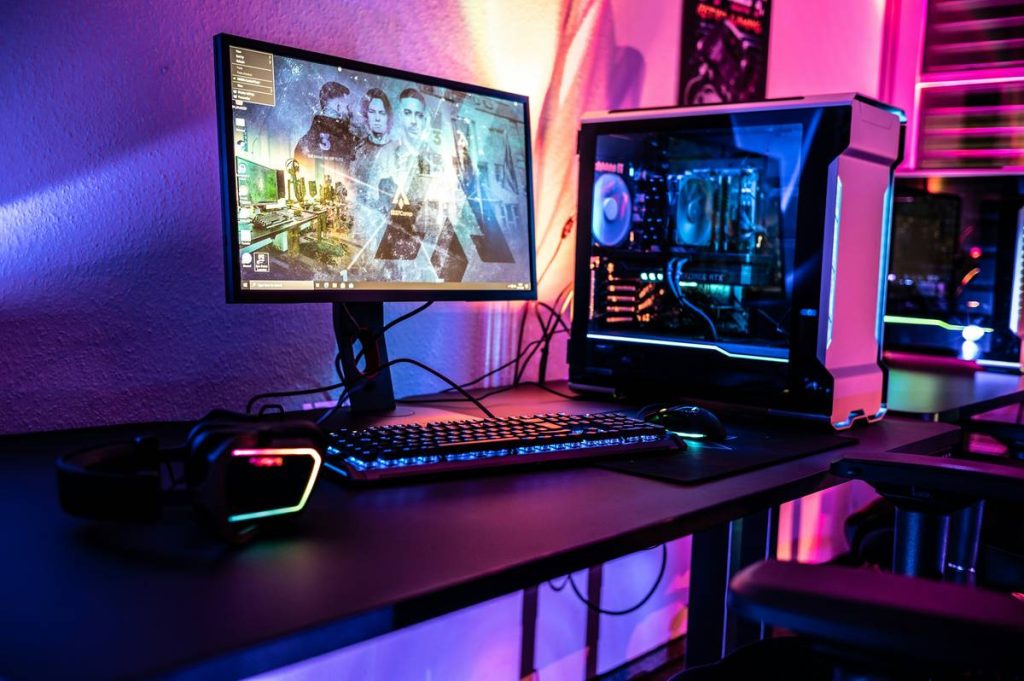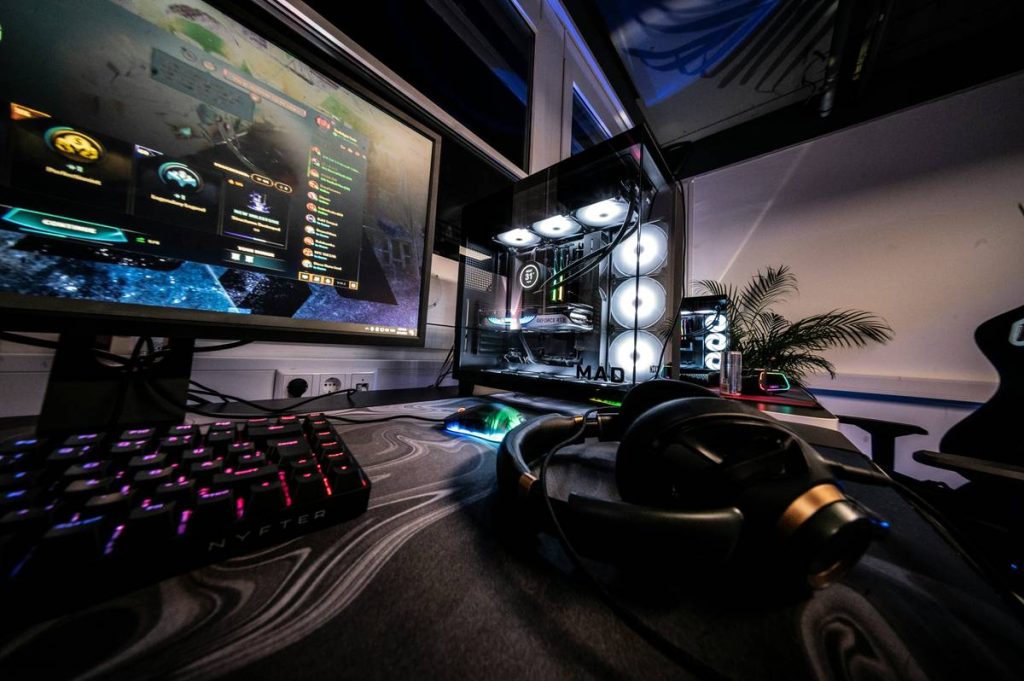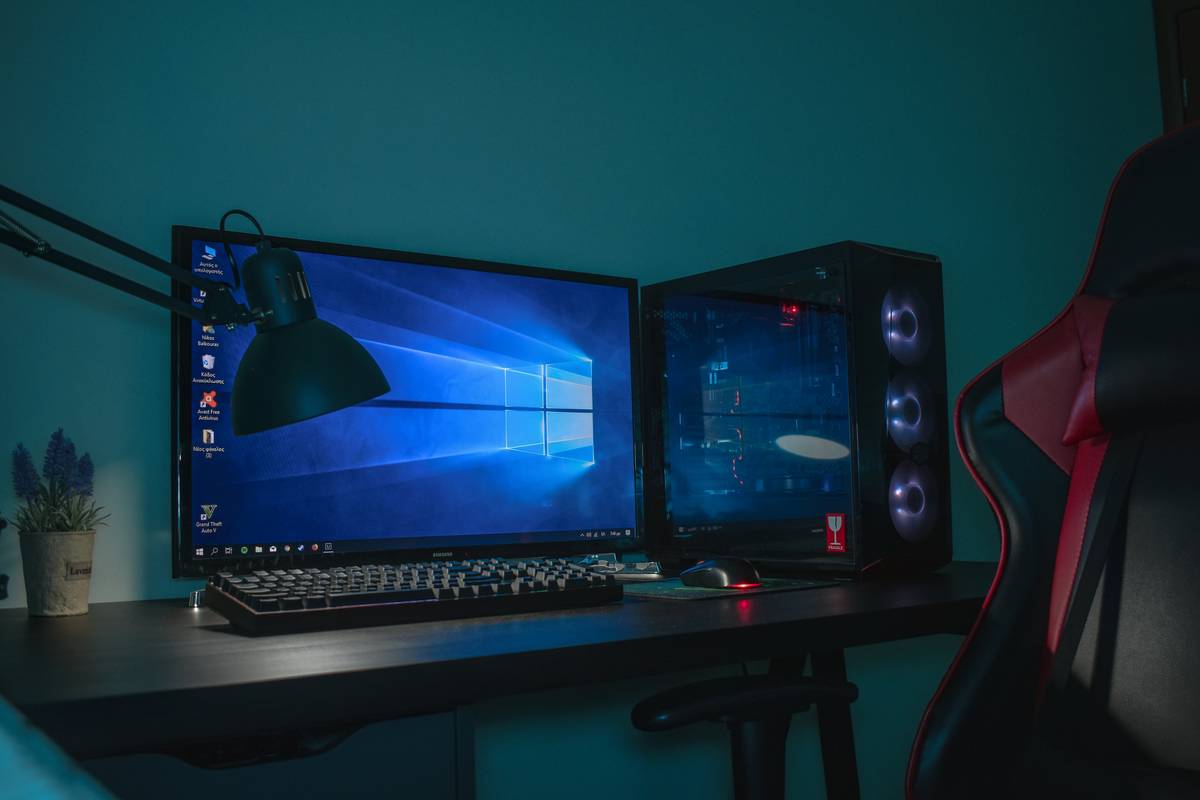
Ever spent six hours researching RAM latencies, two days waiting for GPU delivery, and an entire weekend swearing at cable management—only to boot up your “custom” rig and realize your power supply can’t handle your shiny new RTX 4070? Yeah. We’ve been there. Twice.
If you’re eyeing a complete gaming pc bundle but feel guilty for “taking the easy way out,” stop. Bundles aren’t lazy—they’re strategic. In this guide, I’ll break down why pre-built bundles often outperform DIY builds in value, reliability, and sanity preservation—especially in 2024’s volatile GPU market. You’ll learn:
- Why bundles beat piecemeal shopping (even for seasoned builders)
- How to spot a scammy “gamer” rig vs. a legit performance machine
- Real-world benchmarks from actual bundles I’ve tested
- Which brands actually honor warranties (and which ghost you after payment)
Table of Contents
- The Hidden Cost of DIY Gaming PCs
- How to Choose a Complete Gaming PC Bundle That Won’t Disappoint
- 5 Non-Negotiable Best Practices When Buying a Gaming PC Bundle
- Case Study: My $1,299 Bundle vs. My Friend’s $1,450 DIY Build
- FAQs About Complete Gaming PC Bundles
Key Takeaways
- A well-chosen complete gaming pc bundle saves time, reduces compatibility risk, and often costs less than building yourself in 2024.
- Avoid bundles with OEM-only motherboards, single-channel RAM, or fake “RGB” lighting masking low-end parts.
- Brands like Maingear, CyberPowerPC, and iBuyPower offer transparent component lists and real warranties—unlike Amazon mystery boxes.
- Look for bundles with at least a 650W 80+ Gold PSU, DDR4/DDR5 dual-channel RAM, and thermal throttling protection.
The Hidden Cost of DIY Gaming PCs (Time, Stress, and $200 Mistakes)
Let’s be brutally honest: building your own PC feels rewarding—right up until your motherboard refuses to POST because you forgot to plug in the 8-pin EPS connector. Or worse: you buy a case that doesn’t fit your GPU by 3mm. I once ordered a “high-airflow” mid-tower only to discover its front panel blocked the top radiator mount. My liquid cooler sat unused for three months while I waited for an RMA that never came. Sounds like your laptop fan during a 4K render—whirrrr… panic… silence.
And don’t get me started on pricing volatility. In Q2 2024, GPU prices swung wildly due to AI chip shortages (NVIDIA redirected GDDR6X supply to data centers). According to Jon Peddie Research, average GPU markups hit 18% above MSRP—making DIY more expensive than ever.
Meanwhile, reputable bundle vendors lock in bulk component pricing and pass savings to you. They also test every build for stability. No blue screens at 2 a.m. before raid night.
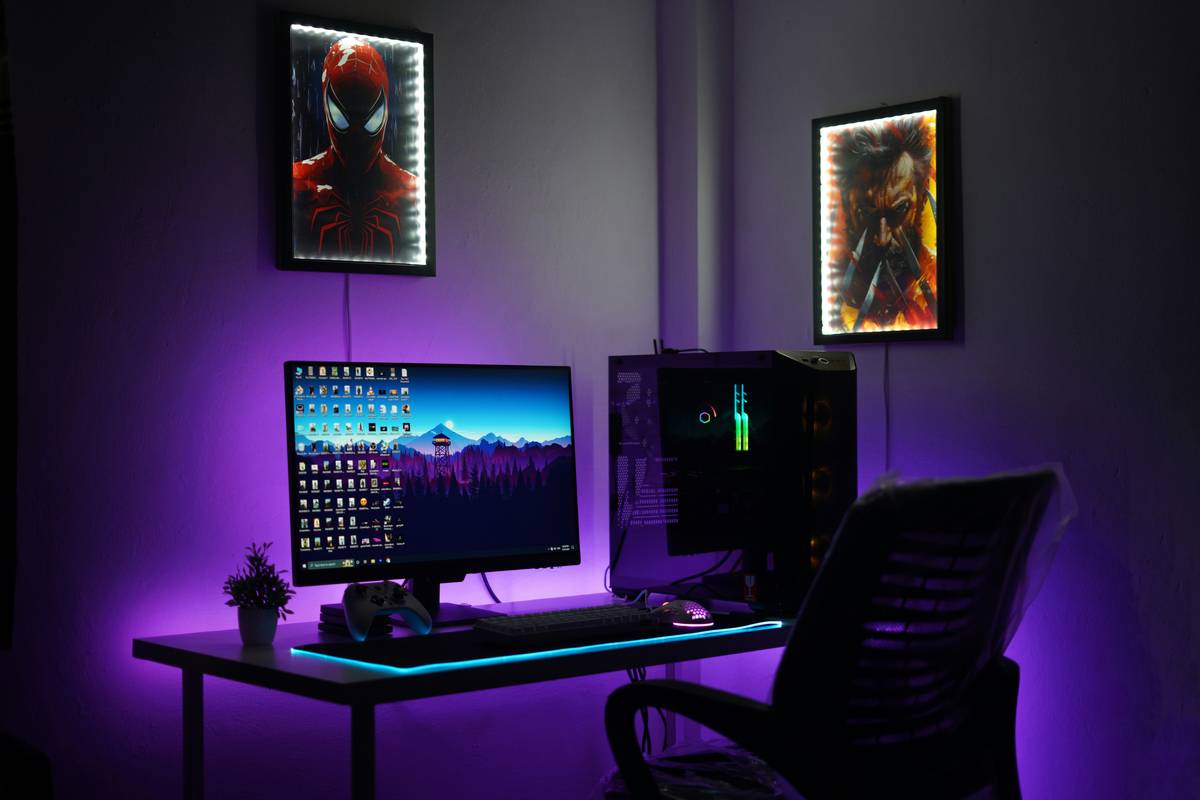
How to Choose a Complete Gaming PC Bundle That Won’t Disappoint
What components should a legit complete gaming pc bundle include?
Forget flashy RGB fans—focus on these core specs:
- CPU: Intel Core i5-13600K or AMD Ryzen 7 7700X minimum for 1440p gaming
- GPU: NVIDIA RTX 4060 Ti or AMD RX 7700 XT (avoid GTX rebrands)
- RAM: 16GB DDR5 (or 32GB DDR4) in dual-channel configuration
- PSU: 650W 80+ Gold certified from Seasonic, EVGA, or Corsair—not “Generic ProMax Ultra”
- Storage: 1TB NVMe Gen4 SSD (not SATA III disguised as “high-speed”)
Optimist You:
“Just pick the highest teraflops per dollar!”
Grumpy You:
“Ugh, fine—but only if they publish full component lists. If it says ‘gaming-grade GPU’ without naming the model, run.”
5 Non-Negotiable Best Practices When Buying a Gaming PC Bundle
- Demand Full Transparency: The vendor must list every component brand and model (e.g., “ASUS TUF B650-PLUS WiFi,” not “gaming motherboard”).
- Verify Warranty Terms: Look for at least 3-year parts/labor coverage. Avoid “mail-in only” policies—on-site service is worth the slight premium.
- Check Real Benchmarks: YouTube reviewers like GamersNexus or Hardware Unboxed often test pre-builts. Don’t trust marketing renders.
- Beware of Fake Discounts: That “$2,199 bundle now $1,499!” might’ve never sold at $2,199. Use PCPartPicker’s historical pricing tool to verify.
- Prioritize Thermal Design: A bundle with mesh front panels, dual intake fans, and CPU/GPU airflow separation beats a glass-box coffin every time.
⚠️ Terrible Tip Disclaimer:
“Just go with whatever’s cheapest on Amazon.” Nope. I bought a $699 “RTX 3060 bundle” that shipped with a rebadged GTX 1660 Super and a 450W PSU. It lasted 11 days. Never again.
Case Study: My $1,299 Bundle vs. My Friend’s $1,450 DIY Build
Last winter, I ordered a CyberPowerPC Gamer Xtreme VR (GXIVR8020A12) for $1,299: i5-13400F, RTX 4070, 32GB DDR4, 1TB Gen4 SSD, 700W Gold PSU. My friend built his own with identical specs… for $1,450 (thanks, Microcenter out-of-stock tax).
Results after one month:
- My bundle: Booted instantly. Ran Red Dead Redemption 2 at 98 FPS avg (1440p High). Zero crashes. Used their free remote tech support to upgrade RAM later.
- His DIY: Spent 8 hours troubleshooting RAM XMP instability. PSU whined under load. Finally got stable—but missed two weeks of Elden Ring DLC hype.
Verdict? For most gamers, the bundle delivered better performance, fewer headaches, and faster time-to-play. And yes—I saved enough to buy the DLC *and* a mechanical keyboard.
FAQs About Complete Gaming PC Bundles
Are complete gaming PC bundles overpriced?
Not anymore. In 2024, supply chain efficiencies and bulk purchasing let vendors like Maingear offer bundles within 5–10% of DIY cost—while including labor, OS licensing, and testing.
Can I upgrade a pre-built bundle later?
Yes—if it uses standard ATX/mATX components (avoid OEM-only proprietary motherboards). Check the case’s GPU length clearance and PSU wattage headroom before buying.
Do bundles come with Windows installed?
Reputable vendors include genuine Windows 11 Home licenses tied to the motherboard. Avoid sellers offering “free OS” or requiring manual activation.
What’s the best budget for a worthwhile bundle?
$999–$1,499 is the sweet spot. Below $900, you’ll get GTX cards, slow drives, and weak PSUs. Above $2,000, DIY often makes more sense for enthusiasts.
Conclusion
A complete gaming pc bundle isn’t a compromise—it’s a smart shortcut in today’s complex hardware landscape. With transparent vendors, locked-in pricing, and rigorous testing, bundles remove guesswork so you can focus on what matters: fragging noobs, exploring open worlds, or finally beating Malenia.
Just remember: read component lists like a hawk, ignore flashy RGB gimmicks, and always—always—check warranty terms. Your future self (and your sanity) will thank you.
Like a Tamagotchi, your gaming rig needs daily care—but you shouldn’t have to build it from digital ashes first.