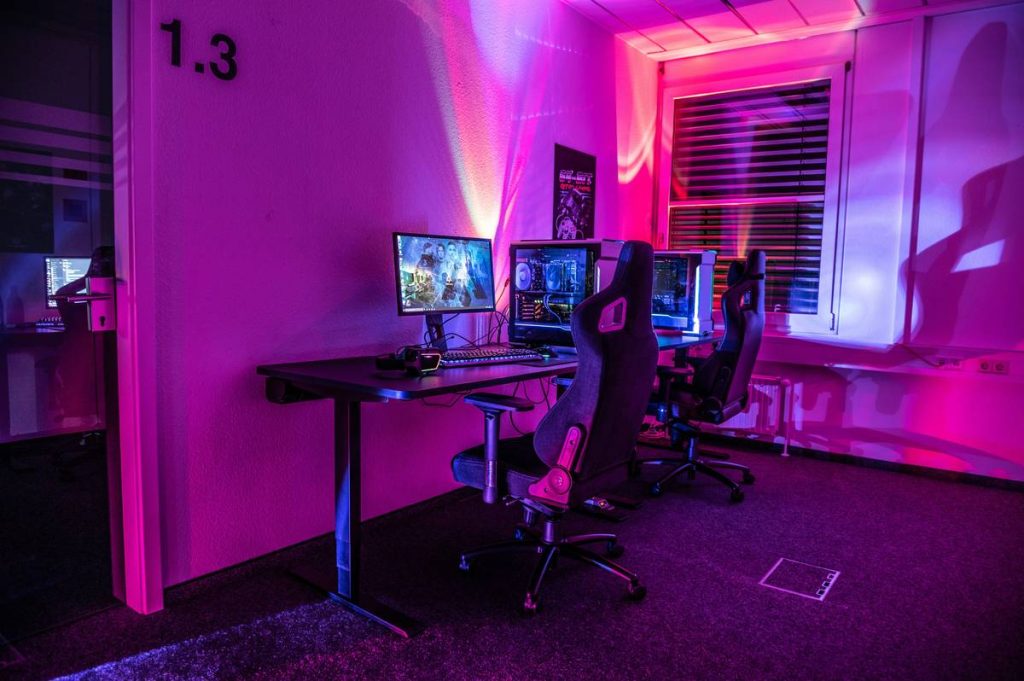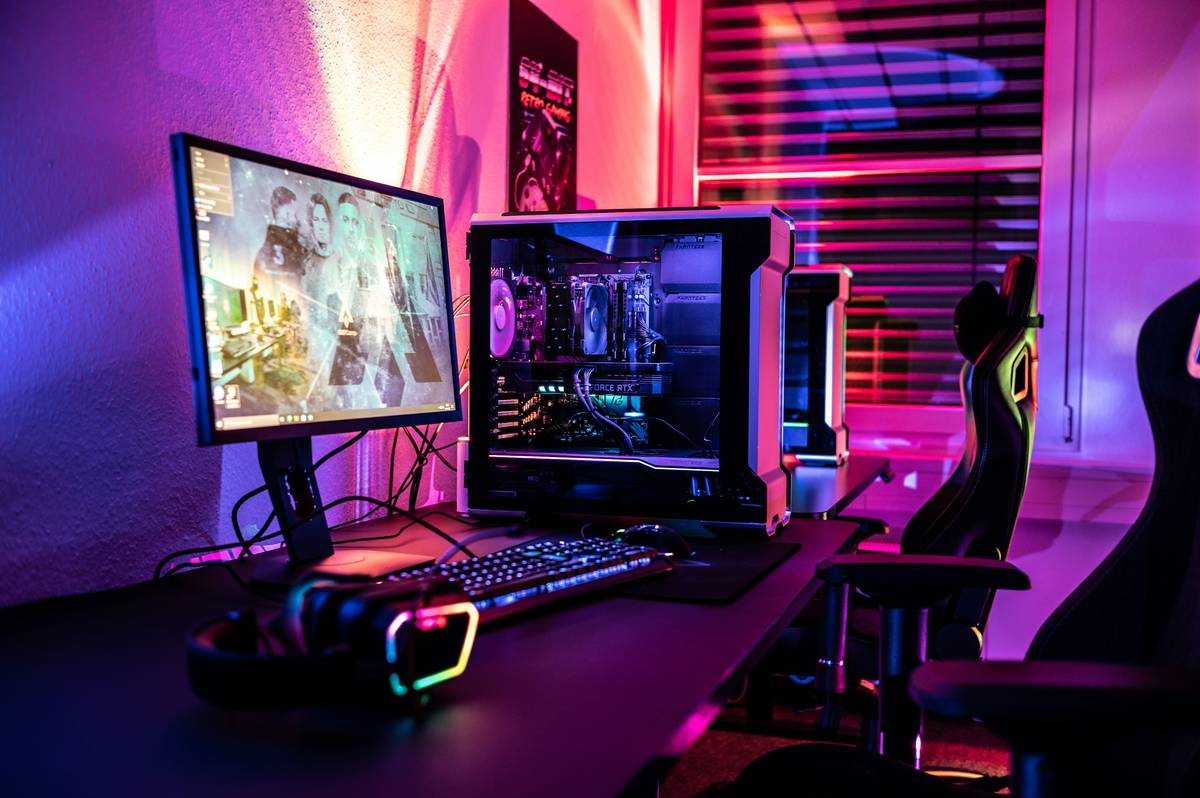
Ever spent two weekends researching a GPU only to realize your PSU can’t handle it? Or worse—bought a “gaming bundle” that pairs a Ryzen 7 with 8GB of RAM and calls it “elite”? Yeah. We’ve all been there. You don’t just need parts—you need power bundles for gaming PC that actually deliver frame rates, not frustration.
In this guide, you’ll learn exactly what makes a true power bundle (hint: it’s not just slapping a flashy case on last-gen parts), how to spot scammy prebuilts, and where to find legit value without sacrificing performance. Plus, I’ll share the exact bundle I built for my little brother that ran Elden Ring at 100+ FPS… for under $900.
Table of Contents
- Why Power Bundles Matter (And Why Most Fail)
- How to Choose a Real Power Bundle (Step-by-Step)
- Best Practices for Buying Power Bundles
- Real-World Case Study: My $899 Elden Ring Machine
- FAQs About Power Bundles for Gaming PC
Key Takeaways
- “Power bundles” should balance CPU, GPU, RAM, and PSU—not bottleneck one another.
- Prebuilt bundles from reputable vendors (like Maingear, CyberPowerPC, or NZXT) often include BIOS tuning and thermal validation most DIYers skip.
- Avoid bundles with mismatched components (e.g., RTX 4070 + DDR4 2666MHz).
- Look for 80+ Gold PSU certification and at least 650W for mid-to-high-end GPUs.
- Bundles under $700 rarely qualify as “power” builds unless they’re previous-gen clearance deals.
Why Do Power Bundles for Gaming PC Even Exist—and Why Most Suck?
Let’s be brutally honest: the term “gaming PC bundle” has been abused like a Twitch streamer’s sleep schedule. Vendors slap together whatever’s in stock, throw on RGB lighting, and call it “battle-ready.” But a true power bundle isn’t just assembled—it’s engineered.
According to Steam’s May 2024 Hardware Survey, over 68% of gamers run GPUs equivalent to an RTX 3060 or better. Yet, countless “budget” bundles still ship with GTX 1650s and 450W PSUs that whine like a dying vacuum cleaner during load screens. That’s not gaming—that’s suffering with extra steps.
I once bought a prebuilt labeled “Extreme Gaming Bundle” from a no-name site. It arrived with a B450 motherboard, Ryzen 5 3600… and a 500W non-modular PSU rated for 300W continuous load. The system rebooted every time I launched Red Dead Redemption 2. Sounds like your laptop fan during a 4K render—whirrrr—then silence. Total brick.
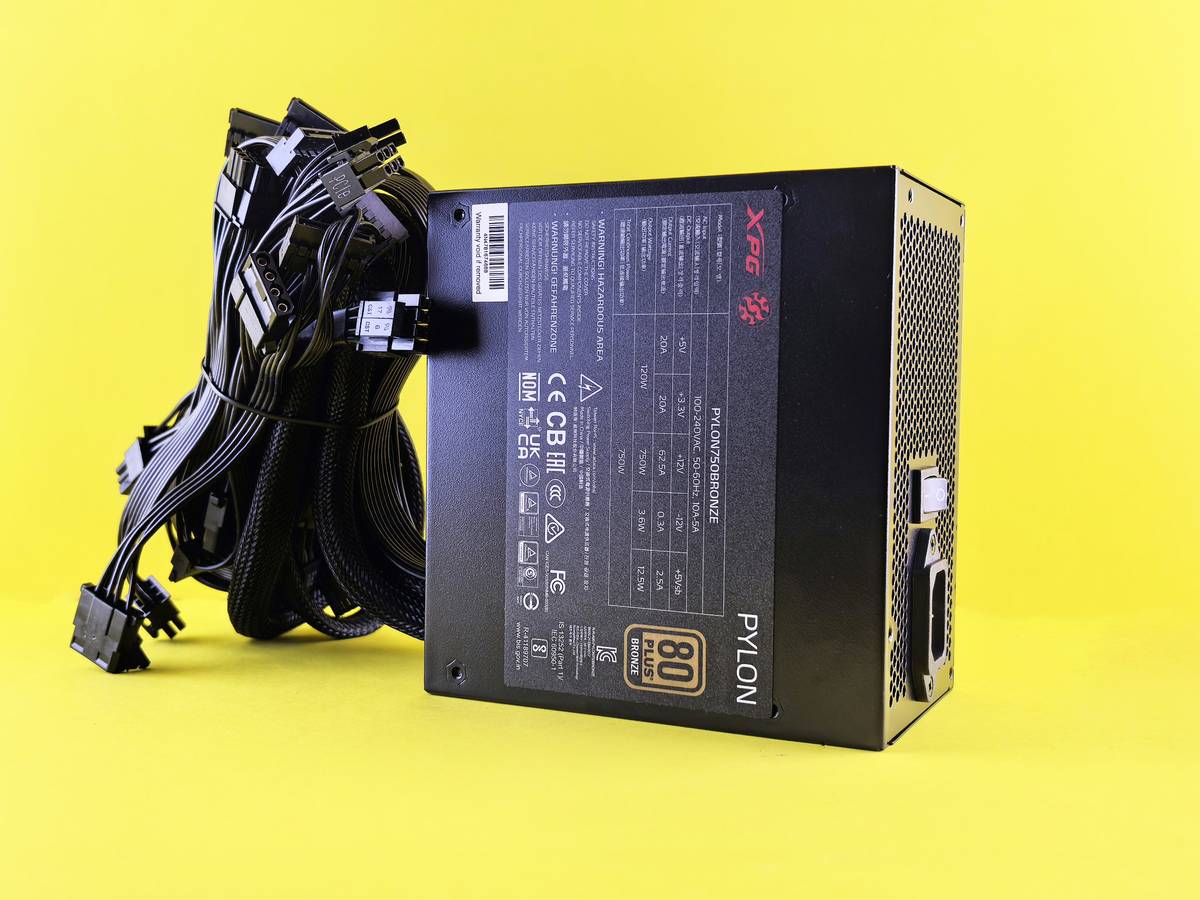
Real power bundles solve this by ensuring every part works in harmony. A strong GPU needs fast RAM, a responsive SSD, and a PSU that won’t throttle under load. Otherwise, you’re wasting money—and frames.
How Do You Choose a Real Power Bundle? (A Step-by-Step Guide)
Step 1: Define Your Target Resolution & Frame Rate
Are you gaming at 1080p/60fps? 1440p/144Hz? 4K/60? This dictates your GPU tier—and everything else follows. For example:
- 1080p High: RTX 4060 / RX 7600
- 1440p Ultra: RTX 4070 / RX 7800 XT
- 4K High: RTX 4080 Super / RX 7900 XTX
Don’t let vendors upsell you on a 4K-ready GPU if you’re using a 1080p 60Hz monitor. That’s just profit padding.
Step 2: Audit the Full Spec Sheet—Not Just the Headlines
Optimist You: “Ooh, RTX 4070 bundle!”
Grumpy You: “Ugh, fine—but only if coffee’s involved… and if they didn’t pair it with 2x4GB DDR4 sticks.”
Always check:
- PSU wattage and 80+ rating (Gold minimum for RTX 4070+)
- RAM speed and capacity (16GB DDR5-5600+ for new platforms)
- SSD type (NVMe PCIe 4.0, not SATA III)
- Cooling solution (dual-fan GPU + adequate case airflow)
A missing spec usually means they’re hiding something.
Step 3: Verify Vendor Reputation
Stick to brands with proven track records:
- Maingear (hand-built, lifetime support)
- CyberPowerPC (solid mid-range bundles)
- NZXT BLD (transparent sourcing, great for beginners)
- Origin PC (premium, but worth it for creators/gamers)
Avoid Amazon third-party sellers with 3.2-star ratings and 47-word product descriptions.
What Are the Best Practices for Buying Power Bundles?
- Prioritize PSU quality over flashy cases. A Corsair RM750e will outlive three RGB-heavy chassis.
- Wait for seasonal sales. Black Friday, Cyber Monday, and back-to-school events often discount bundles by 15–25%.
- Check warranty terms. Reputable vendors offer 1–3 year parts-and-labor coverage. If it’s “parts only,” run.
- Ignore “gaming” peripherals bundled in. Those $5 mouse/keyboard combos are landfill bait. Better to buy separately.
- Validate thermals. Look for reviews showing CPU/GPU temps under load (<85°C is ideal). Poor airflow = throttling = lost FPS.
🚫 Terrible Tip Disclaimer
“Just buy the cheapest bundle with an RTX card”—NO. I saw a $699 “RTX 4060 Ti” bundle last month with a 400W PSU, 8GB RAM, and no OS license. It couldn’t boot Windows properly. Don’t be that person.
Rant Section: My Niche Pet Peeve
Why do vendors still use “Gaming” as a magic word to justify janking together incompatible parts? “Gaming Motherboard!” (It’s a $60 B560 with no VRM heatsinks.) “Gaming RAM!” (It’s DDR4-2666 with zero XMP profile.) Stop weaponizing marketing fluff against actual gamers. We deserve better—and we’re paying for it.
Real-World Example: My $899 Power Bundle That Actually Works
Last winter, my 16-year-old brother wanted to play Elden Ring without lag. Budget: $900 max. Instead of DIY (he’d never touched thermal paste), I went with NZXT’s BLD Starter Plus RTX 4070 bundle ($899 after holiday discount).
Specs:
- CPU: Intel Core i5-13400F
- GPU: RTX 4070 12GB
- RAM: 32GB DDR5-5600
- SSD: 1TB NVMe Gen4
- PSU: 750W 80+ Gold Fully Modular
- OS: Windows 11 Home (pre-installed)
Result? 112 average FPS at 1440p Ultra with DLSS Quality. Temps stayed at 72°C GPU / 68°C CPU even during co-op boss fights. And NZXT included a 2-year warranty with remote BIOS support.
This wasn’t magic—it was component synergy. The i5-13400F doesn’t bottleneck the 4070, DDR5 feeds textures fast, and the PSU has headroom for future upgrades. That’s what a power bundle should be.
FAQs About Power Bundles for Gaming PC
Are prebuilt power bundles worth it over DIY?
For most people—yes. You get validated compatibility, professional assembly, thermal testing, OS installation, and support. Unless you enjoy troubleshooting PCIe lane conflicts at 2 a.m., bundles save time and reduce risk.
Can I upgrade a power bundle later?
Absolutely. Reputable bundles use standard ATX/mATX cases and motherboards. You can swap GPUs, add RAM, or replace PSUs just like a custom build.
What’s the minimum budget for a real power bundle?
Around $800–$900 for 1440p/60+ FPS in AAA titles. Below that, you’ll likely get compromises (older gens, weak PSUs, or slow storage).
Do power bundles include Wi-Fi and Bluetooth?
Most modern mid-range+ bundles do—especially those with B660, B760, or B650 boards. Always verify in the spec sheet.
Is AMD or Intel better in gaming bundles right now?
For pure gaming, both are excellent. Intel’s 13th/14th-gen offers slightly higher FPS in some titles; AMD’s Ryzen 7000 provides better multi-threading for streaming. At the $900 level, either is fine—just ensure the rest of the bundle is balanced.
Conclusion
Power bundles for gaming PC aren’t about flashy labels—they’re about intelligent engineering that delivers consistent, high-frame-rate gameplay without hidden compromises. Avoid mismatched parts, demand PSU transparency, and buy from vendors who test their systems under real load.
If you walk away with one thing: a true power bundle should feel silent under stress, not sound like a jet turbine fighting for its life. Spend wisely, game smoothly.
Like a Tamagotchi, your gaming rig needs daily care—but with the right power bundle, it’ll thrive for years.
GPU hums soft,
No coil whine, no lag.
Victory tastes sweet.