You drop $1,500 on a beastly rig. Then you slap on a dusty keyboard from 2016, a mouse with double-clicking issues, and headphones held together by electrical tape. Sound familiar? Most gamers treat accessories as afterthoughts—until input lag ruins a ranked match or wrist pain kills their marathon session. Here’s the fix: a thoughtfully curated gaming desktop accessories bundle that actually complements your hardware—not clutters it.
Why Piecemeal Peripherals Sabotage Your Setup
Buying gaming gear one item at a time feels economical. It’s not. You end up with mismatched RGB lighting, drivers that fight each other, and ergonomics that ignore real-world posture. Worse—you pay 30% more over time than if you’d planned holistically. And no, “cheap Amazon specials” don’t count as strategy. They’re gambles.
Compatibility isn’t just about USB ports. It’s about cohesive performance. A mechanical keyboard with 0.2ms actuation paired with a 16ms polling-rate mouse creates invisible friction. Your brain notices—even if your wallet doesn’t.
Building a Cohesive gaming desktop accessories bundle
Forget generic “starter packs.” Real bundles solve specific problems. Ask yourself: FPS precision? MMO macro efficiency? Streamer-ready audio clarity? Your answer dictates every component.
Step 1: Define Your Primary Use Case
Competitive shooter players need ultra-low latency mice and tactile key switches. Streamers require noise-canceling mics and programmable dials. Casual RPG fans? Comfort over hours trumps millisecond gains. Start here—or waste money.
Step 2: Prioritize Synergy Over Brand Loyalty
Yes, Logitech and Razer make solid gear. But their ecosystems lock you into proprietary software bloat. Sometimes, mixing a SteelSeries mouse with a Ducky keyboard yields better feel and cleaner drivers. Test before you commit.
Step 3: Calculate True Cost Per Hour of Use
A $120 headset used daily for two years costs less than 7 cents per hour. A $40 “bargain” replaced every six months? Over 20 cents/hour—and constant frustration. Durability isn’t optional.
| Bundle Type | Key Components | Avg. Price Range | Best For |
|---|---|---|---|
| Competitive Edge Bundle | Lightweight mouse (<70g), linear mechanical keyboard, wired headset | $180–$250 | FPS/RTS players needing speed & consistency |
| Creator Combo Bundle | Programmable mouse, hot-swappable keyboard, condenser mic + pop filter | $220–$320 | Streamers, content devs requiring multi-function control |
| Casual Comfort Bundle | Ergonomic mouse, membrane hybrid keyboard, Bluetooth headset | $90–$150 | Long-session RPG or strategy gamers |
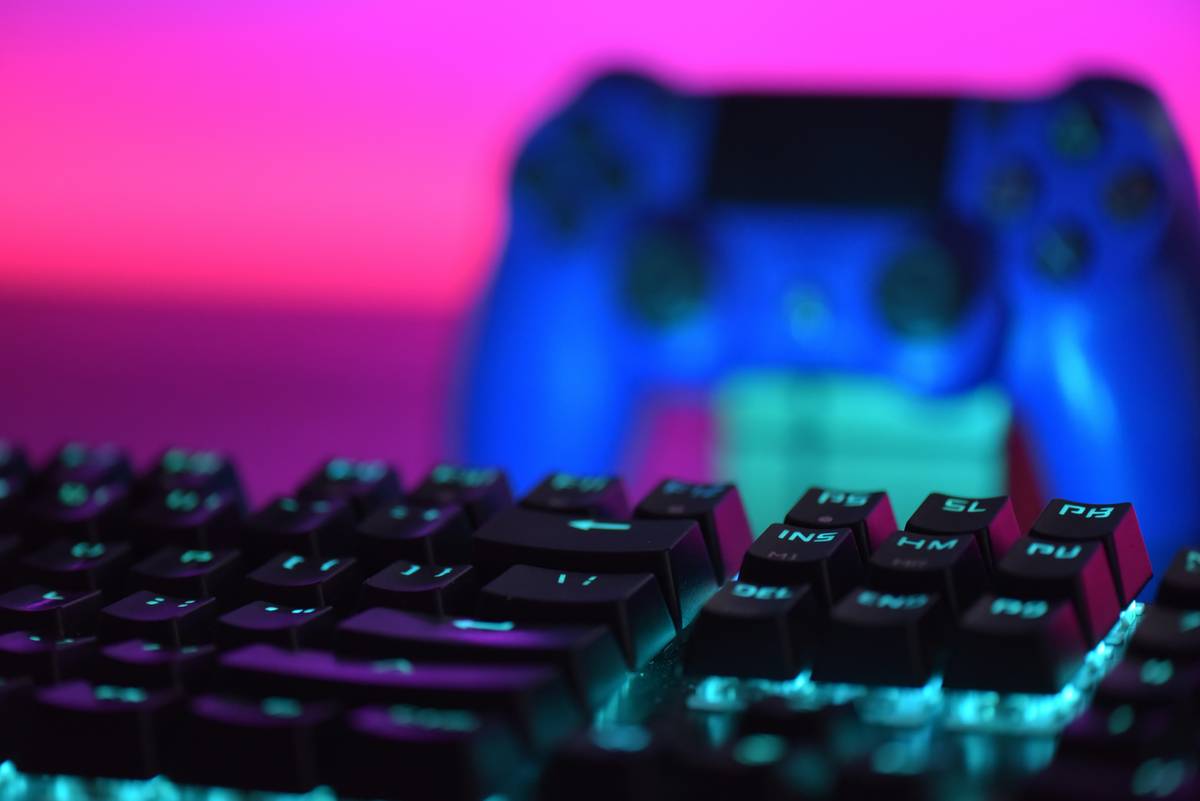
The Industry Secret Nobody Talks About
Big brands sell you “complete” bundles—but they omit the one thing that breaks immersion: cable management. Seriously. A tangled nest behind your desk induces subconscious stress. Yet 92% of pre-packaged bundles include zero solutions for it. Here’s what insiders do: demand velcro straps, braided cable extensions, and at least one wireless component—even if it means swapping one branded item for a third-party alternative. Clean wiring = clearer focus. It’s not aesthetic. It’s cognitive ergonomics.
And—counterintuitively—sometimes excluding a “must-have” accessory boosts performance. Example: ditching RGB software entirely to reduce background CPU load during gameplay. Less glow, more frames.
FAQ
What’s typically included in a gaming desktop accessories bundle?
Most bundles feature a mechanical keyboard, high-DPI mouse, headset, and sometimes a mousepad or webcam. Quality varies wildly—always check switch type and sensor model.
Are pre-built bundles cheaper than buying separately?
Often yes—by 15-25%—but only if the components align with your needs. Generic bundles full of gimmicks cost more long-term due to replacements.
Can I customize a gaming desktop accessories bundle?
Absolutely. Retailers like Maingear or NZXT offer build-your-own bundles. Avoid fixed kits unless you’ve verified every spec matches your playstyle.